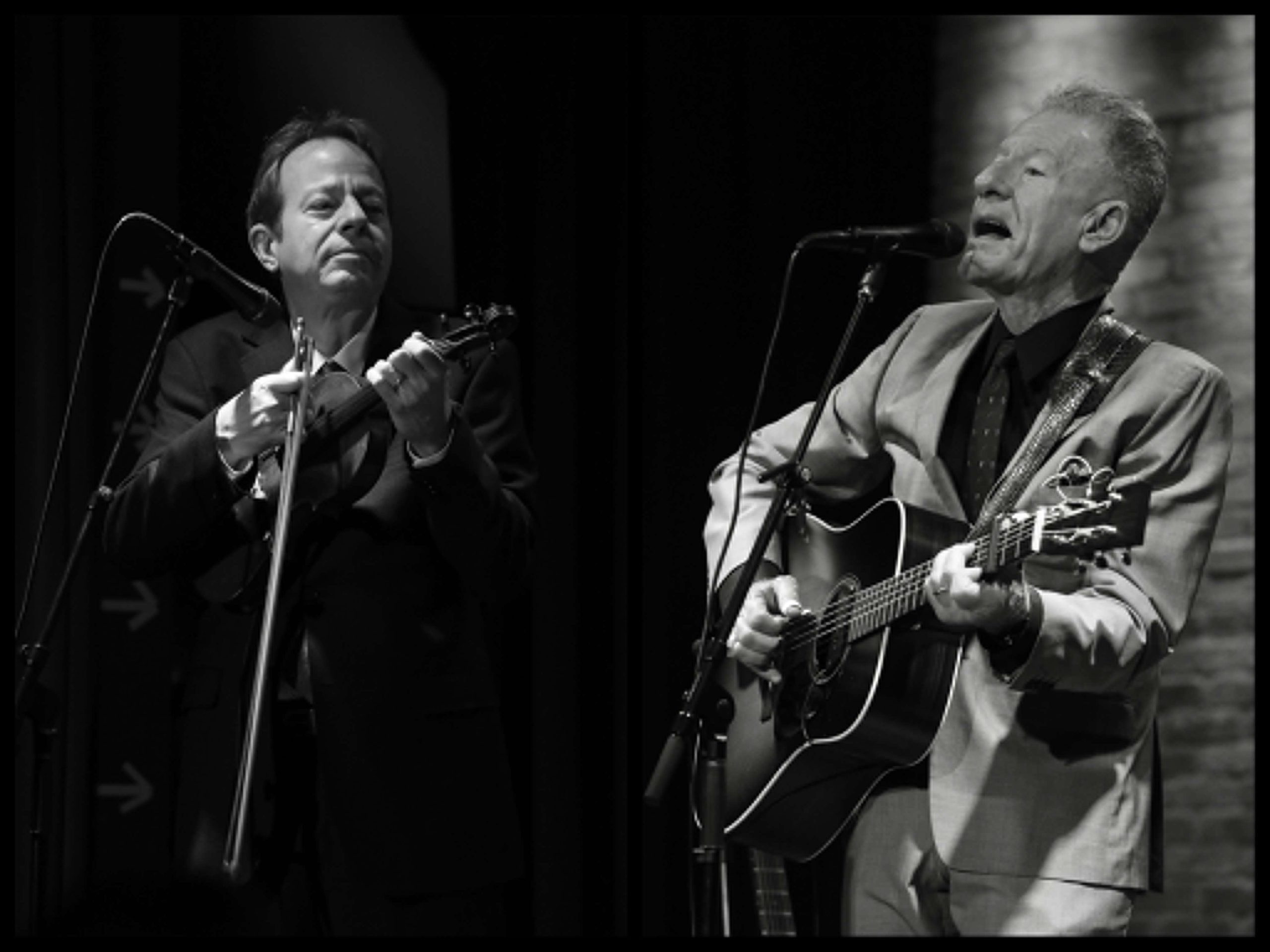
On May 13, Lyle Lovett began his three-night engagement, An Evening with Lyle Lovett: Songs & Stories, at City Winery St. Louis — and if early ticket demand is any indication, audiences remain deeply captivated by one of America’s most unconventional storytellers. With several performances nearing capacity and a touring schedule stretching through October, Lovett continues to prove that authenticity never goes out of style.
For decades, Lovett has occupied a fascinating place in American music. He has never fit neatly into one category, and perhaps that is exactly why audiences continue to gravitate toward him. Country traditionalists admire his songwriting. Jazz fans appreciate his sophistication. Folk audiences connect with his storytelling. And within LGBTQ entertainment circles, Lovett has quietly become something of a cult favorite — not because he chases trends or labels, but because his artistry consistently embraces individuality, emotional honesty, and people living outside the lines.
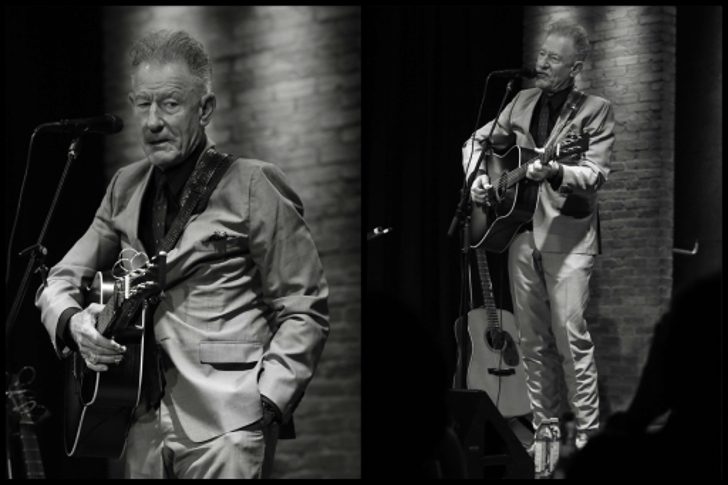
Lyle Lovett at City Winery St. Louis. Photo credit: Thomas Blue
At a time when mainstream country music often leaned heavily into rigid masculinity and predictable narratives, Lovett emerged as something entirely different. His music favored wit over bravado, vulnerability over aggression, and imagination over convention. Songs like If I Had a Boat carry a dreamlike quality that rejects social expectations in favor of freedom and self-definition. Whether intentional or not, Lovett’s catalog leaves room for listeners to see themselves reflected in the music — and that openness matters.
Part of Lovett’s enduring appeal lies in his refusal to perform masculinity in the expected way. He has never relied on the polished “cowboy tough guy” image so often marketed in Nashville. Instead, his stage presence has always felt theatrical, intellectual, and refreshingly human. Dressed sharply and moving effortlessly between dry humor and emotional vulnerability, Lovett created space for softness in a genre that did not always reward it. For many LGBTQ listeners — particularly those who grew up feeling disconnected from traditional country culture — that difference became meaningful.
His celebrated live performances also carry a kind of joyous theatricality that resonates strongly within queer entertainment culture. Blending swing, gospel, jazz, blues, folk, and country into one expansive sound, Lovett turns genre into celebration rather than limitation. That refusal to stay in one lane mirrors the experiences of many LGBTQ individuals who have spent years navigating identity beyond society’s narrow expectations.
Joining Lovett during this year’s performances is Stuart Duncan, widely regarded as one of the finest fiddle players in modern American music and a longtime Grand Ole Opry favorite. Lovett himself once described Duncan as “one of the most brilliant players in the world,” a sentiment that becomes easy to understand the moment Duncan’s unmistakable fiddle fills the room. His presence adds quiet depth and emotional texture to an evening already rooted in extraordinary musicianship and storytelling.
And perhaps that is what makes Lovett feel so timeless: he never appears interested in being anyone other than himself.
Even his anthem “That’s Right (You’re Not From Texas)” carries a message of inclusion wrapped in humor — an invitation into a larger tent where outsiders, newcomers, and nonconformists can belong. Beneath the wit and charm is an artist who understands that identity is complicated, layered, and deeply personal.
Lovett’s relationship with audiences has always felt intimate because he approaches performance like conversation rather than spectacle. During his Songs & Stories evenings, fans are not simply attending a concert; they are stepping into decades of memories, observations, heartbreaks, humor, and beautifully strange poetry. He speaks to audiences the way great writers do — allowing listeners to draw their own meaning from the work.
That quality has helped him transcend generations and demographics. Many fans who do not traditionally enjoy country music still adore Lyle Lovett because he exists beyond the boundaries of the genre itself. He is a musical enigma in the best possible sense: elegant but grounded, sophisticated yet approachable, mysterious while emotionally transparent.
In today’s entertainment landscape, where so much feels carefully manufactured for virality, Lovett’s artistry feels almost radical. He reminds audiences that storytelling still matters. Nuance still matters. Humanity still matters.
As his current tour continues through October, one thing becomes increasingly clear: Lyle Lovett’s audience is not simply showing up for nostalgia. They are showing up for connection. They are showing up for the rare comfort of an artist who has spent an entire career making outsiders feel seen without ever needing to say it directly.
And in a world still learning how to celebrate individuality without apology, that kind of quiet brilliance deserves a standing ovation.