I’ve spent most of my adult life networking and fundraising for Missouri’s homeless, neglected, abused, and sick pets. I’ve always been good at fundraising—and even better at finding homes for the most challenging dogs. Over the years, I helped start several rescues and emergency medical nonprofits that continue to save lives today. Working with pets in need is something I take great pride in, but it comes at a cost.
Most people think rescuing dogs starts with compassion. It doesn’t. It starts with something broken in us humans. I eventually realized I was no different than a gambling addict—always pulling the handle, chasing the high of the win, and enduring the low of the loss.
While others dreamed of meeting celebrities, I dreamed of meeting the man who inspired me to become what I now call a “crazy dog networker.” This was the subject of the book that changed my life: The Man Who Talks to Dogs, about a man named Randy Grim, a South City hero here in Missouri who would go on to build Stray Rescue of St. Louis, one of the most well-known dog rescues in the world. That book opened the floodgates of my own trauma and helped shape who I would become. And no, not a cat lesbian—a dog lesbian, drawn to the most abused and overlooked animals.
Before I ever knew Randy, before I understood what Stray Rescue really was, I was already captivated by Missouri’s stray dog problem. Our parks are filled with packs of feral dogs that you wouldn’t believe existed unless you stood there surrounded by them, with nothing but a package of hot dogs.
That book—and my first encounter with a pack of pit bulls in O’Fallon Park—would shape my life forever.
Randy’s story started in 1998. He was one man with a broken-down van and a mission that only makes sense if you know what it feels like to be left behind. I only knew him as Randy—a gay rescue guy.
Then I read his story, and something in me shifted. I knew I had to make a difference. Because it wasn’t just about saving animals—it was about broken people like us. We connect so easily to the dogs, yet struggle to connect with each other.
Back then, I didn’t see myself as a rescuer.
I saw myself in the dogs. I felt abandoned, guarded, always surviving. I, too, was waiting for my “pack”—a sense of belonging that might never come.
At the time, I had just lost my best friend to depression. I was drowning in grief, searching for something to hold onto. And I had my dog—Star, a pit bull who didn’t need saving. She was saving me.
That’s when my mission took root: find Randy. I needed to tell him my story. I needed to ask how I could help save Missouri’s street dogs. Because the truth is, I didn’t just relate to him—I related to the dogs he was saving.
For months, I tried to meet him. Every time I got close, he vanished—like the strays he fed. Finding Randy felt like trying to trap a street dog. It required perfect timing, patience, trust, and absolutely no fear.
It wasn’t until I threw myself fully—obsessively—into rescue that our paths finally crossed. I was working with a stray I named Lightning—the fastest dog I’d ever seen—dumped in Tower Grove Park. We set traps, brought the best BBQ in St. Louis, and still couldn’t catch him. Day after day, I chased that high, trying to get Lightning to safety. I was losing hope.
So I reached out to Randy.
All he said was, “If anyone can do this, you can. I’m watching you. When you get him, Stray Rescue will have space for Lightning.”
I was over the moon.
When I finally met my idol, he was bartending for tips to support the rescue. It felt like meeting Stevie Nicks—surreal, larger than life. But here’s the truth about meeting your heroes: they’re human. And somehow, that made him even more extraordinary.
That night, I saw who Randy really was.
A young girl approached him, asking for money to add minutes to her phone. Without hesitation, he gave it—money he didn’t have. People in rescue rarely do. We give everything to the animals.
Afterward, he told me the truth: he wasn’t just helping her—he was paying her for dangerous information about a dogfighting operation in a place most people wouldn’t dare enter.
Later, I asked him why he was bartending in the first place when he hated crowds.
His voice shook as he answered, “Because sometimes I have to march through my own fear… to save them.”
Ultimately, Randy Grim gave up everything—comfort, money, relationships, stability—to build something that has saved fifty thousand… maybe closer to seventy thousand animals to date.
One person can make a difference.
And before Randy Grim, there was my personal hero, my grandfather.
He didn’t drive cars—he drove horses. He shoveled manure, baled hay, and loved animals more than people. I rode to school in a horse buggy while other kids arrived in shiny cars—and I was always proud.
He took me to auctions where broken horses stood one step from slaughter. I watched grown men bid—not for profit, but for mercy.
That’s where I learned: “You can’t save them all. But you try anyway.”
My grandfather taught me what it meant to be a man. Randy taught me that even a nobody lesbian could make a difference. Somewhere in between, I built my own path—helping start rescues and emergency medical fundraising efforts across Missouri.
And I’ll be honest with you: rescue will break you.
It drains your money, your energy, your sanity. It’s a dopamine cycle—the high of a save, followed by the crushing question: what’s next?
And the hardest part? It’s not the animals. It’s the people.
The rescue community—like the LGBTQ+ community—can be brutal. One day you’re a hero; the next, a villain. It takes passion and vision to keep going.
But here’s the truth we don’t say enough: most of us doing this work are carrying trauma. Whether it’s rescue or community building, we’re trying to save something outside ourselves—because we couldn’t save it within.
Today, Randy is still fighting—just in a different way.
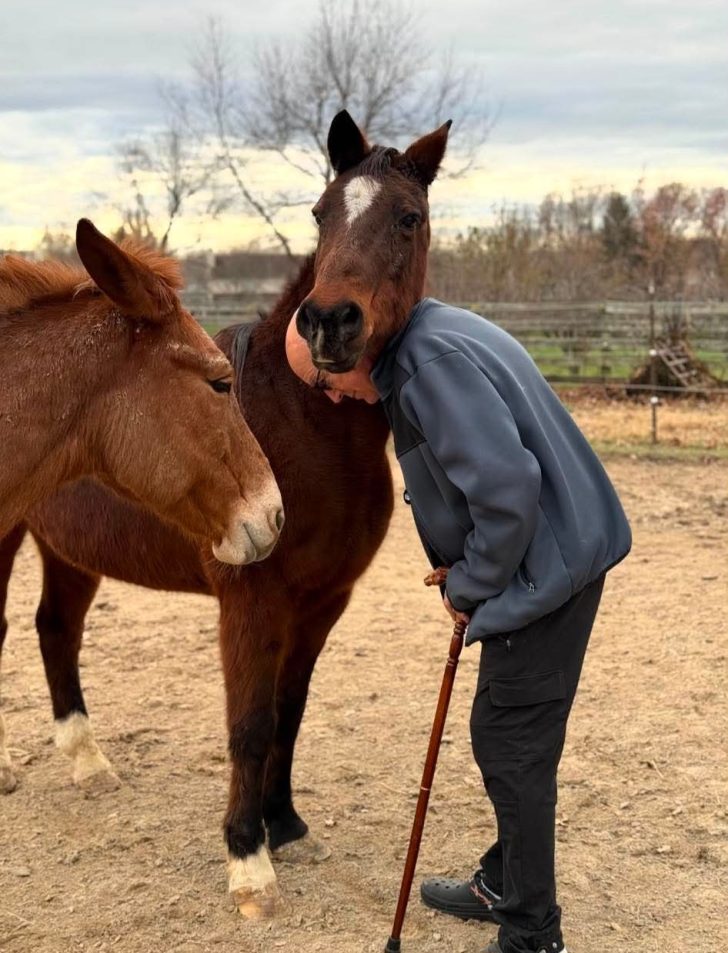
He’s building a rescue ranch in Illinois—a place for healing, for animals and people alike. But he’s also recovering from an aneurysm and major surgeries.
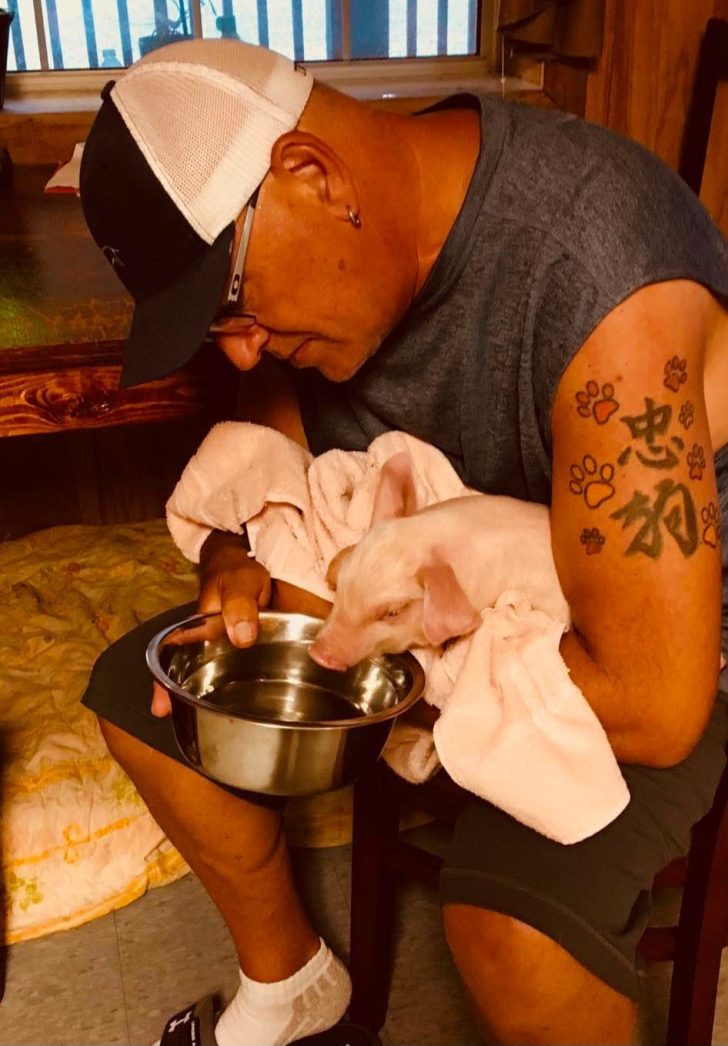
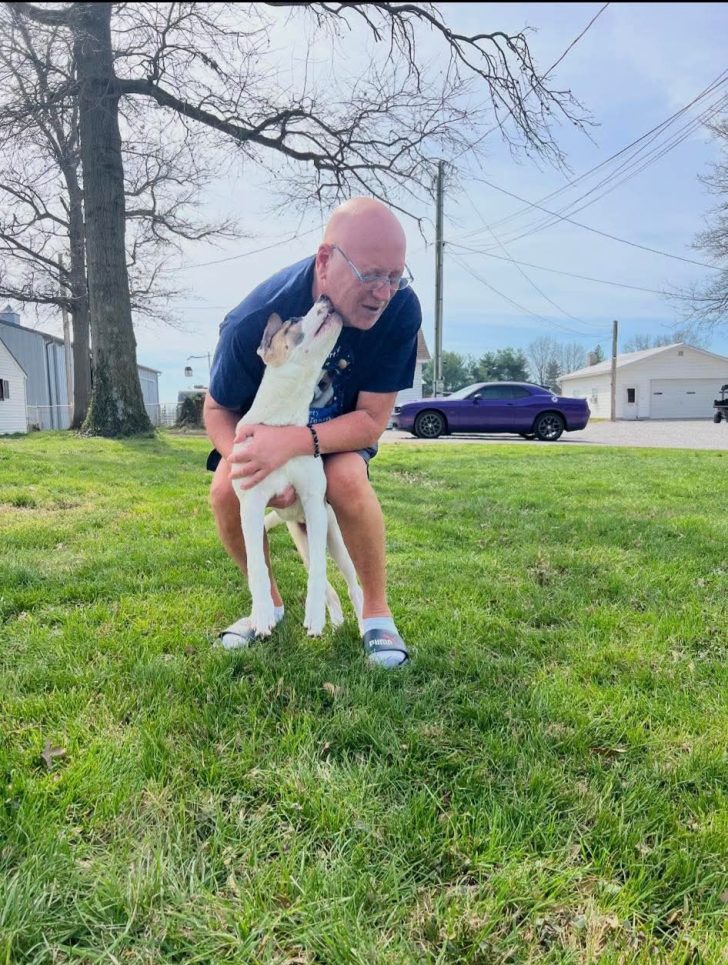
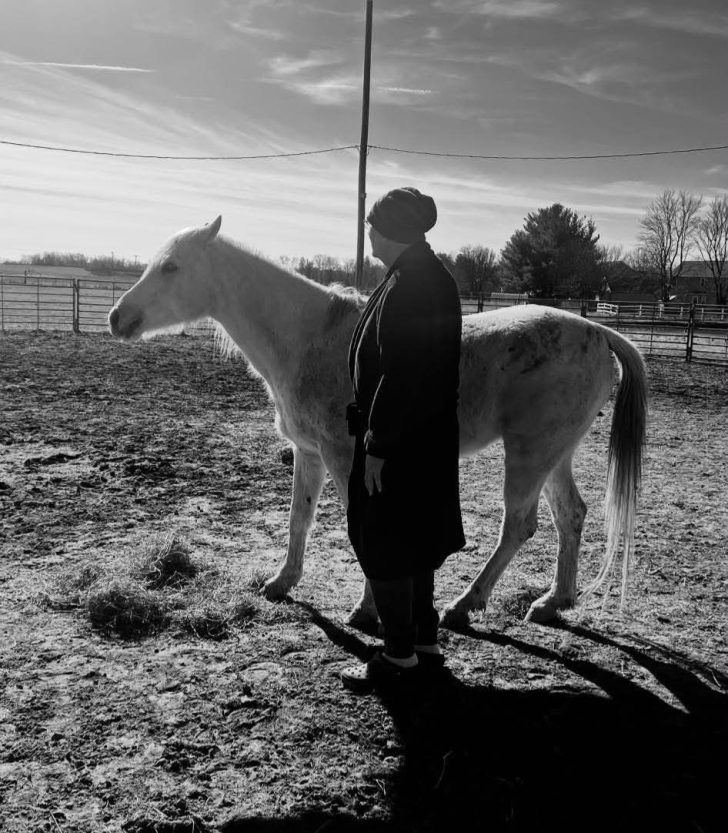
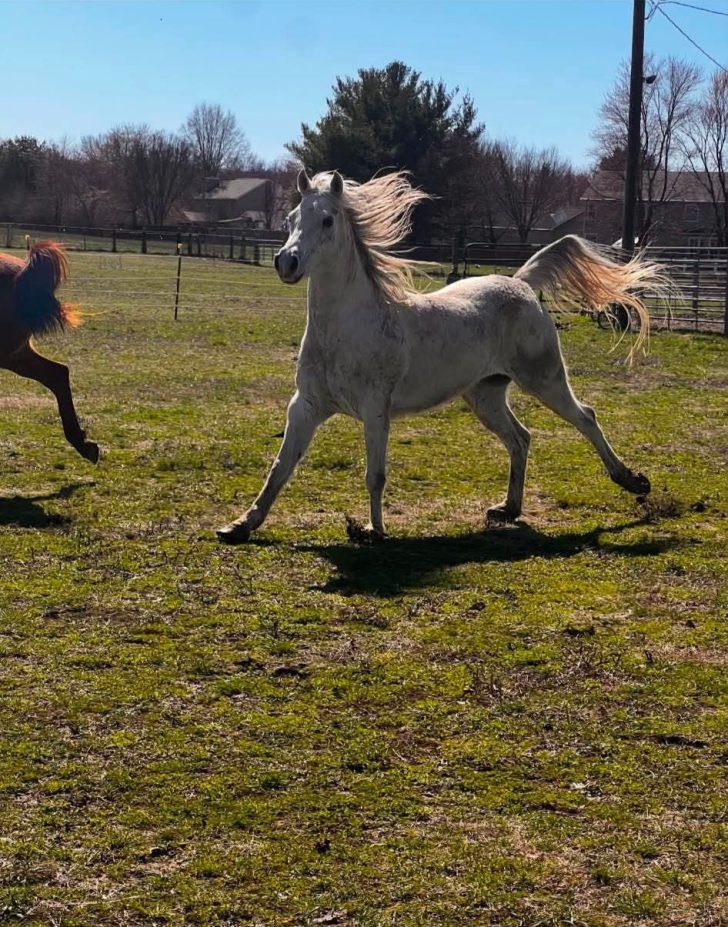
For the first time, the man who saved thousands needs saving. Randy has retired from Stray Rescue and is now living his dream on his ranch, surrounded by abused and neglected horses, pigs, dogs, and other homeless farm animals. He welcomes visitors to see the dogs train, to enjoy the lake, and to witness the life he’s built.
Show up for him. Show up for them.
Because being in community means answering the call to support each other. Here’s the part no one talks about: rescue isn’t just about animals. It’s about people who were never rescued.
It’s turning pain into purpose and Grief into action. Because somewhere along the way, the broken child in all of us, the abandoned dog, the neglected horse—they all start to look the same.
And maybe that’s why we do this.
Because saving them is the closest we’ve ever come to saving ourselves.
There’s a story about someone throwing starfish back into the ocean, one by one.
“You can’t save them all,” someone says.
They reply, “No. But I can save this one.”
That’s Randy.
That’s my grandfather.
That’s me.
And maybe… that’s you too.
For those of you wondering if Lighting was ever rescued from Tower Grove Park, let’s just say never under estimate any gay animal rescuer and their determination.
Donate to Randy’s Rescue Ranch—A Sanctuary for the Souls. Love lives longer here.
—Rena Noonan
St. Louis Lesbian Queer Society
“Butch in the Streets”