Few artists in indie House Synthpop command attention like Bright Light Bright Light. Blending shimmering synths with emotionally candid songwriting, he has carved out a distinctive niche—collaborating with icons such as Alan Cumming, Elton John, and Scissor Sisters, while channelling the enduring glamour of Cher. With multiple acclaimed releases and a reputation for authenticity, he continues to resonate with listeners drawn to both vulnerability and polished pop.
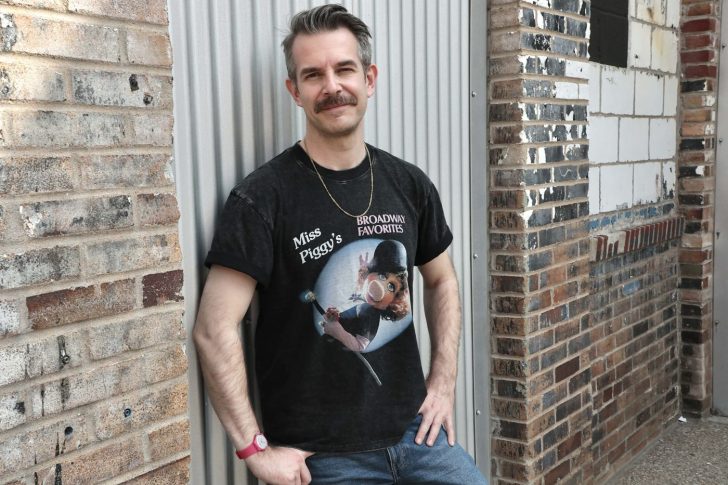
Bright Light Bright Light. Photo credit: Thomas Blue
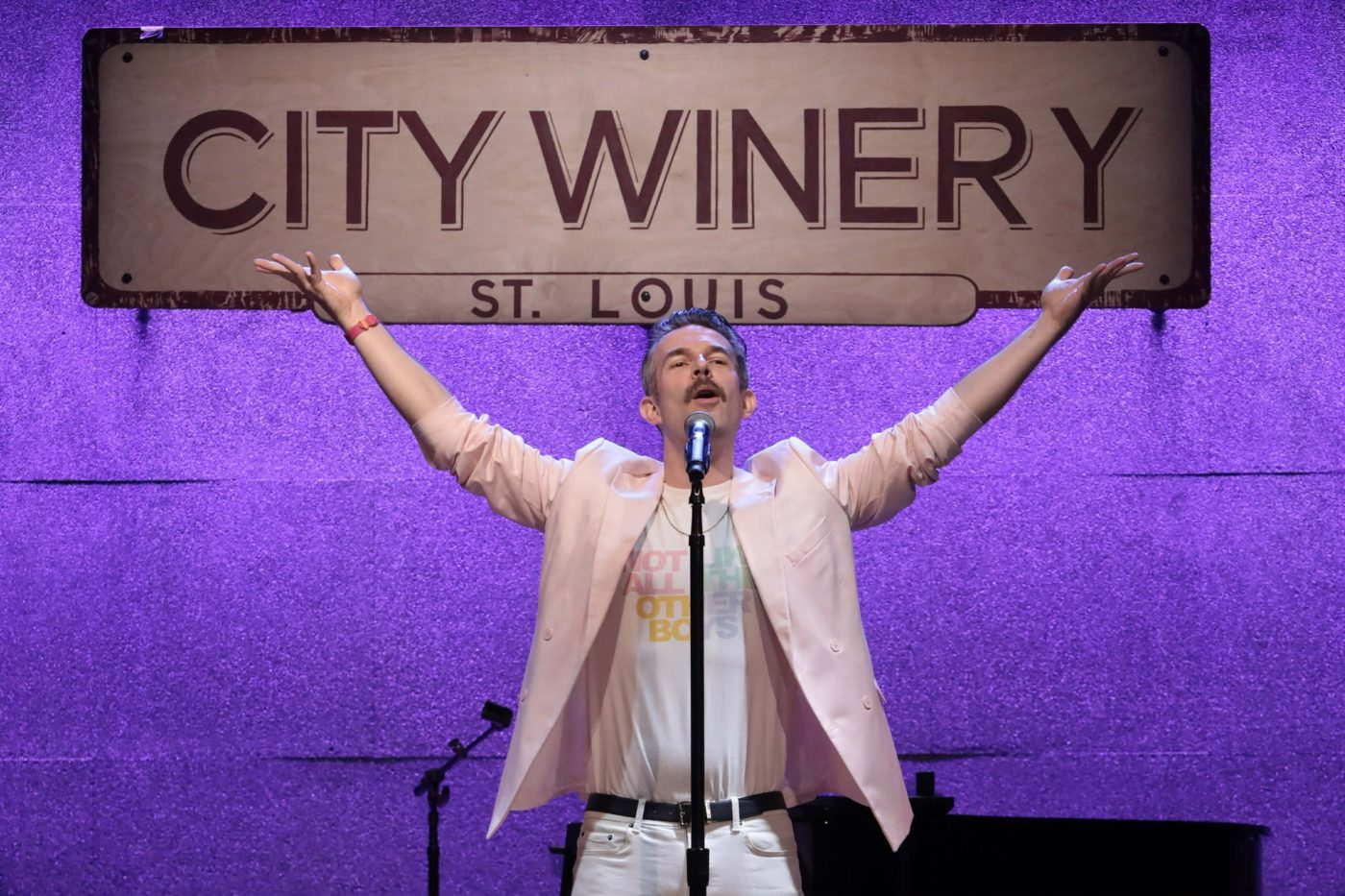
That artistry was on full display at City Winery St. Louis on April 3, 2026, where the intimate venue became a vibrant celebration of music and identity. With dynamic visuals and a magnetic stage presence, Bright Light Bright Light delivered a set that felt both personal and communal—reinforcing his rare ability to transform any space into something truly special.
From shimmering electro-pop to deeply personal storytelling, Bright Light Bright Light continues to carve out space for queer expression, resilience, and radical joy. On the road and in reflection, he opens up about identity, community, and what it means to create music that truly connects.
Thomas Blue: Your music often celebrates joy and resilience—what does “queer joy” mean to you in 2026, and has that definition evolved as your career has grown?
BLBL: It means finding home and humour in the world around you, even in dark times. But most importantly, it means CREATING space for those you love and those around you to also share in the joy, and find their own. It’s really important to me that joy is not selfish – that whatever joy I’m able to create and nurture with my music and community around it, that it can allow space for others to also let their guard down and have fun. My music is all about community.
Thomas Blue: If you could create a “time capsule” track representing LGBTQIA+ life today, what emotions, sounds, or stories would you feel obligated to include—and what would you intentionally leave out?
BLBL: Ooh, wow, that’s a hard question. I think that LGBTQIA+ life is very fractured today – there is so much to celebrate, but there are daily atrocities that people face, especially Trans people who are attacked every single day. So while there are huge success stories and huge achievements, the underlying feeling of attack is very present.
Thomas Blue: How has living between identities—Welsh, queer, and now New York–based—reshaped your understanding of belonging, both musically and personally?
BLBL: You know, I don’t think I ever felt like I “belonged” until I moved to New York. In that city, I found a space to grow and bloom like no other. I have learned so much from the city and its incredible people, I can’t even begin to express it. From the creative community of Joe’s Pub and C’mon Everybody and the wonderful people who work both on stage and behind the scenes, to the people who work in my favourite bars and coffee shops, the sense of community there is absolutely amazing. It’s completely reshaped me – or maybe help me to fully shape myself – musically and personally.
Thomas Blue: Electro-pop and dance spaces have always been tied to queer liberation—do you feel a responsibility to preserve that history in your music, or to disrupt it?
BLBL: I would love to preserve it, perpetuate it, grow it. I feel like it’s an honour to be able to create a sense of liberation for people with my creative work. For every one person I can make feel safe and seen at a show, it feels like a gold medal win. I was very inspired by the queer history of electronic music, so to even be considered part of that canon is incredible.
Thomas Blue: What’s a vulnerability you’ve never put into a song because it still feels too close—and do you think you ever will?
BLBL: I really don’t know if I have one. My two main losses – my cat and one of my best friends – both have been in songs of mine [“Sunny” and “Saying Goodbye Is Exhausting”], so beyond that, I can’t think of anything I’ve not been able to write down.
Thomas Blue: If your younger self, growing up in Wales, could see you now—not just your success, but your struggles too—what do you think would surprise him most?
BLBL: That I was able to do this while being out and proud? Growing up, it felt like an impossibility to be honest publicly about being gay. I never thought that I would be able to have a career – let alone a public-facing one – and be honest about my identity.
Thomas Blue: Queer artists are often expected to be both entertainers and advocates—have you ever felt tension between making music for escapism versus making music for activism?
BLBL: I wouldn’t say tension, no, but I’ve felt a growing responsibility to make activism a part of my work, and the world of my live shows. I feel very strongly about social issues, and I feel that it is super important to use my shows to make safe spaces for people who want to come and experience community. Joy and catharsis. So not escapism, but maybe escape. Or belonging.
Thomas Blue: In a world where algorithms shape taste, how do you protect the authenticity of queer storytelling in your work from becoming diluted or market-friendly?
BLBL: I just make sure that I’m not doing things FOR the algorithm. I try to only really post about things that make me feel something personally, or things that matter to my community and my sense of community. Or on the other hand, things I think are fun. I’m not aiming to be someone I’m not, so I try to just be myself, and I’ve found that that has brought the right people towards me.
Thomas Blue: If you could collaborate with a queer artist from any era—past or future—who would it be, and what kind of world would that collaboration imagine?
BLBL: Sylvester and Patrick Cowley. I would love so much to have been able to collaborate with them on a giant dancefloor track. They are both absolute magic.
Thomas Blue: When the lights go down after a show and the crowd disappears, what part of yourself remains that your audience never gets to see—but perhaps should?
BLBL: I think these days I pretty much put myself on show in the concerts. I used to have more of a wall as I felt so much pressure to be perfect, but now I just have FUN and it’s much more rewarding.
Thomas Blue: The Midwest can sometimes be overlooked in queer cultural conversations—what does it mean to you to bring your music to places like St. Louis rather than just coastal hubs?
BLBL: It’s so important. I think growing up in Wales I feel that strongly as Welsh towns and cities often didn’t make it onto touring lists of bands I loved. It’s always special to go to places beyond the obvious coastal cities and see who you have reached in places that get overlooked.

