By Thomas Blue | Out In STL
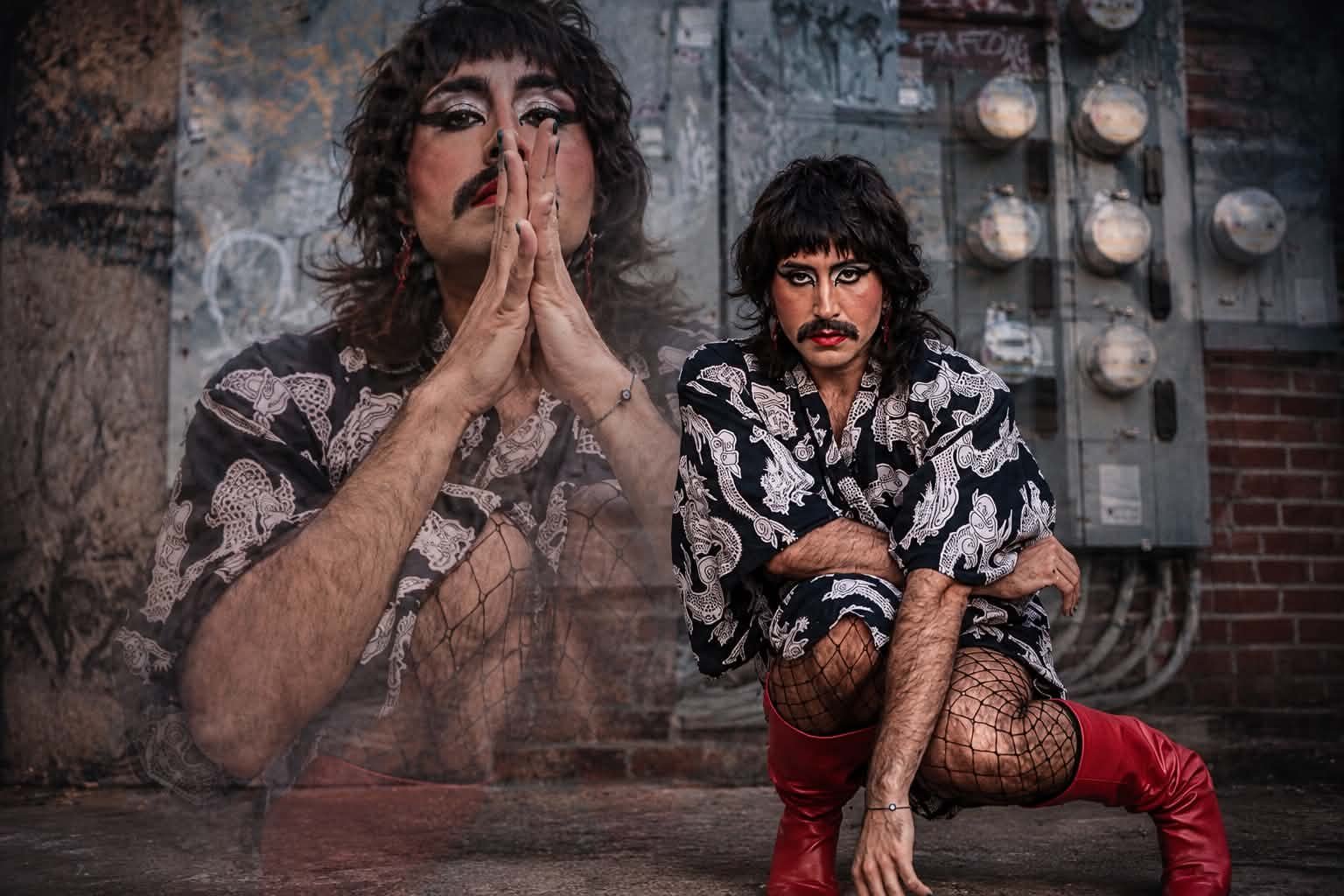
What happens when Freddie Mercury and Cher have a love child? According to Anthony Alfaro, you get Tony: a theatrical, glamorous, occasionally sarcastic alter ego with a killer voice, an unforgettable mustache, and absolutely no interest in blending in.
On October 27, 2026, New York City’s Tony & The Kiki brought their high-voltage blend of glam rock, disco-funk, and queer nightlife energy to The Golden Record in St. Louis, opening for Lords of Acid. I was there not only for the spectacle but to meet Anthony and introduce this rising act to Out In STL readers.
I’ve followed the band on social media for about two and a half years, so meeting Anthony in person was a pleasure. The costumes caught my attention, but their voice sealed the deal. Their vibrato is something you have to experience for yourself.
Founded in 2021, Tony & The Kiki combines the theatricality of Queen, the attitude of Blondie, and the unapologetic energy of queer nightlife. Anthony leads on vocals, while Rodney Bush, the Kiki, brings keyboards and keytar to the mix. A Berklee College of Music graduate with advanced composition training at Juilliard, Bush contributes to a musical identity that stretches well beyond a single genre. Bush was away on another project the night of the Golden Record show, so Anthony made the audience the Kiki for the evening.
But where did that unforgettable name come from? Tony represents Anthony’s energetic alter ego, while the Kiki pays homage to queer party culture. In LGBTQ+ culture, a kiki can mean a gathering where friends come together to socialize, laugh, share stories, and celebrate themselves. The term also has roots in ballroom and drag culture, where community, chosen family, and self-expression are essential. For this band, the name is more than a clever combination of words. It’s a nod to the community that helped inspire its identity.
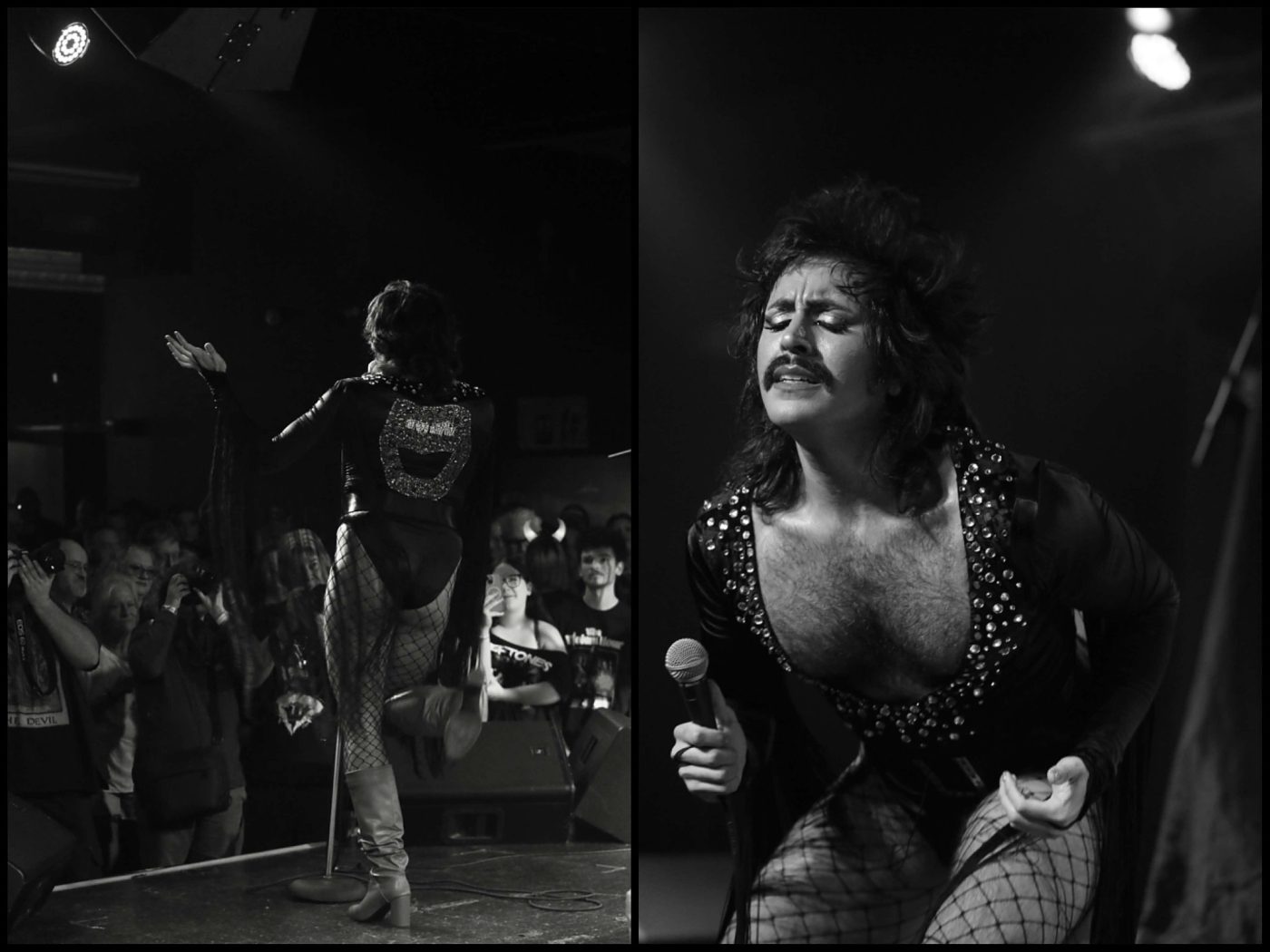
I had to ask Anthony about the Freddie Mercury and Cher comparison. “Who inherited the vocals, who got the wardrobe, and who got custody of the drama?” I asked. Anthony explained that the comparison describes Tony’s personality more than the band’s complete musical identity. “I feel like Tony is an entity that I’ve sort of created,” they said. “That is me, but it is like an extension of myself.” Cher’s dry humor and sarcasm meet Mercury’s theatrical energy, creating a character that feels familiar yet entirely Anthony’s own.
Then there’s the wardrobe. Anthony develops their own concepts, blending high glamour with punk and rock-and-roll influences. They work with designers and costume builders David Quinn and David Dalrymple to bring those ideas to life, drawing inspiration from the legendary Bob Mackie and reimagining that glamour through a queer, rock-and-roll lens.
Is there a chance they’ll tone things down someday? Perhaps, but not yet. “I feel like I’m kind of signaling a bit with my costumes,” Anthony explained. “And I’m kind of like, ‘Hey, look over here, look over here.'” They’re also developing a recognizable visual identity, from their signature mustache to their hairstyle. In an entertainment world crowded with performers competing for attention, being memorable is part of the job. Anthony understands the assignment.
Naturally, I couldn’t resist getting a little personal. What kind of men catch Anthony’s attention? Do they have a specific type? “It’s a chemistry thing,” they told me, explaining that their preferences have changed with experience. They admitted that they sometimes appreciate a man who’s taller than they are, but they don’t have a rigid checklist. Anthony said they often find older men more comfortable with questions of gender and sexuality than some men their own age. Experience, they suggested, can make people less concerned with traditional expectations about masculinity and relationships. It’s a refreshing perspective from someone whose entire performance challenges the idea that men must look, act, or love a certain way.
Tony & The Kiki started by playing New York venues such as Union Pool, Mercury Lounge, and TV Eye before expanding their reach through touring. Now, Anthony says, the band is building a loyal following, with returning fans and repeat VIP attendees helping turn initial curiosity into lasting support. “It’s my wildest dream come true, really,” they said, reflecting on how an idea has grown into a touring act. They’re excited about the momentum and see the potential for Tony & The Kiki to headline larger venues in the future.
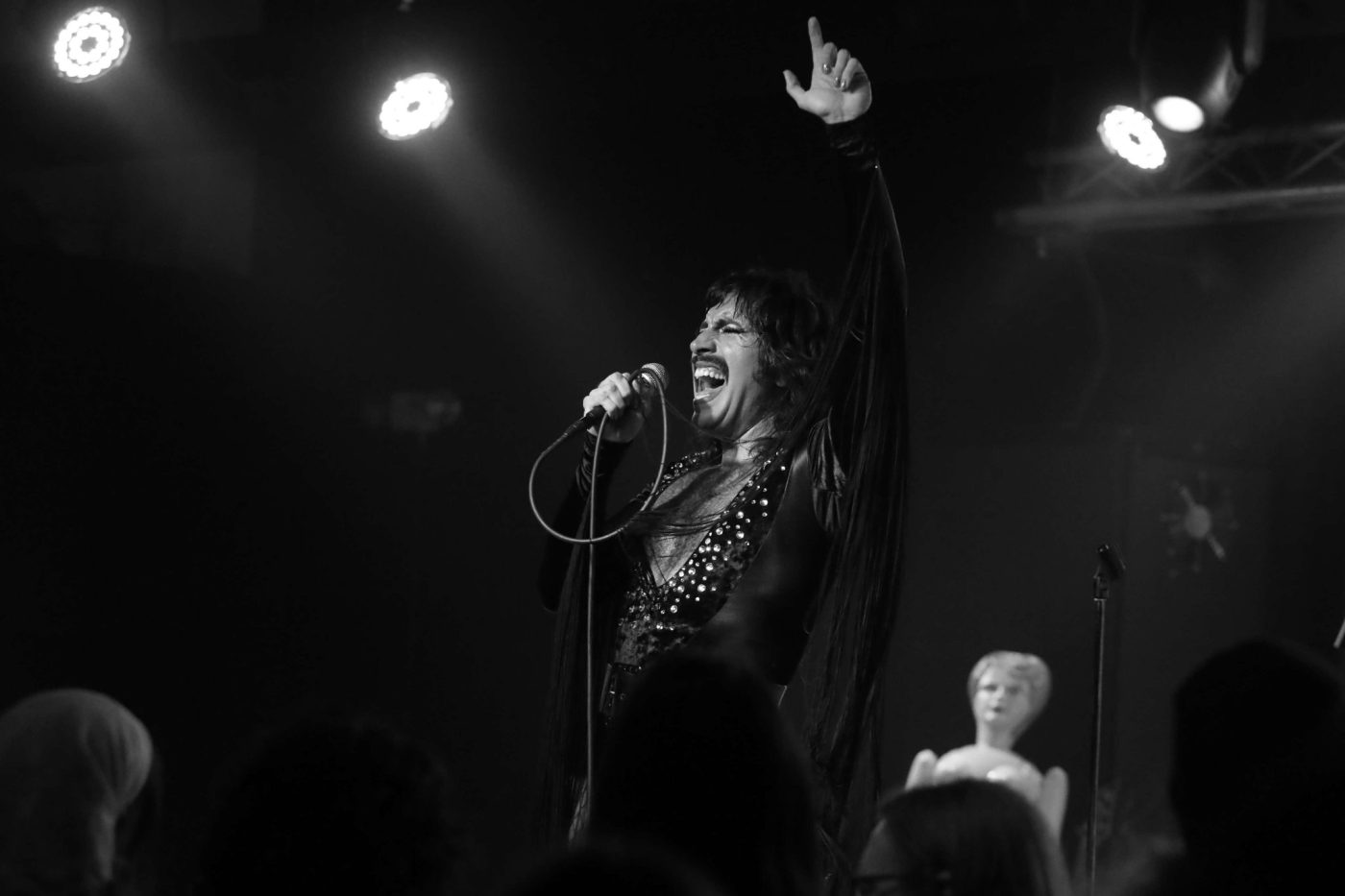
The band also continues to explore musical influences across generations. Its take on Tiffany’s “I Think We’re Alone Now” puts a fresh spin on a song familiar to many pop fans. When I asked about the possibility of collaborating with Tiffany, Anthony was enthusiastic. “I love Tiffany,” they said, adding that they’d met and spoken virtually. They’d welcome the opportunity to work with her.
For Out In STL, the band’s relationship with the LGBTQ+ community is especially important. Rock music can sometimes feel intimidating or unwelcoming to queer audiences. Anthony wants to help change that by bringing the freedom and inclusivity of queer nightlife into a theatrical rock setting. Their vision isn’t to create a show exclusively for one audience. They want longtime rock fans, drag enthusiasts, club kids, and people who simply love a great live performance to feel equally welcome. I asked whether Tony & The Kiki offers an escape from everyday life, celebrates queer expression, or encourages people to be more fearless about who they are. “All of the above, all of the above,” they replied.
Anthony believes the desire for community and a safe place to express yourself isn’t limited to LGBTQ+ people. It’s a human need. “It’s not just a queer thing,” they said. “It’s a human thing, to want community and to want a safe place, and to want to be able to feel like you can go outside of yourself.” For LGBTQ+ readers, that message has particular significance. Queer spaces have historically provided opportunities for people to build chosen families, celebrate identities that society hasn’t always accepted, and express themselves without conforming to conventional expectations. A concert can’t solve every problem, but an environment where people feel welcome, visible, and free to be themselves matters. And sometimes, that freedom comes with a keytar, a spectacular costume, and a whole lot of attitude.
Before we wrapped up, I asked Anthony what people missed if they decided to stay home instead of seeing Tony & The Kiki. Their answer was theatrically unapologetic. “You get to see something starting,” they explained, describing the excitement of catching an act while it’s still growing rather than waiting until the venues are bigger and the tickets potentially cost more. They also promised what they called “solid old school showbiz excellence.” Even with a relatively short set, Anthony gives the performance everything they have. “I take the unserious, very seriously,” they said. When it comes to their own abilities, modesty isn’t exactly part of the costume. “I think I’m a fucking hell of a show,” they declared.
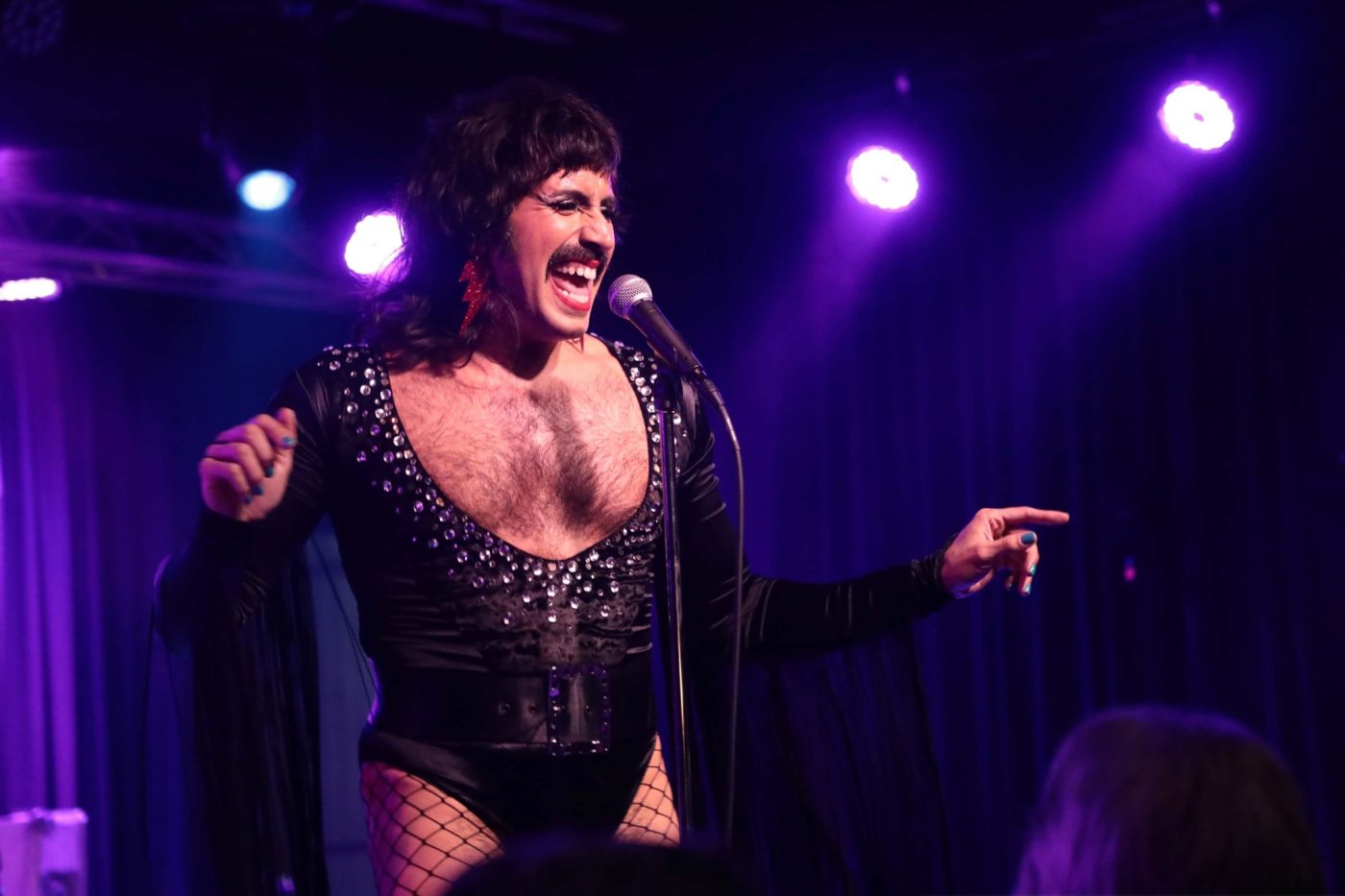
After meeting Anthony and hearing that voice for myself, I’m inclined to believe them. Tony & The Kiki bring together theatrical glamour, musical ambition, and a genuine appreciation for queer community. Anthony may be building a larger-than-life character, but behind the mustache and the costumes is an artist determined to create something meaningful. If Freddie Mercury and Cher had a love child, this might be the result.
St. Louis, keep your eyes on Tony & The Kiki. The glitter is just the beginning.
Photos by Thomas Blue.